Training & Care
Owning a Dutch Shepherd — What to Expect
The Dutch Shepherd is not a high-maintenance dog in the way that some breeds are — but it is a high-engagement dog. The difference matters. Coat care is manageable, health is generally robust, and grooming demands are reasonable. What this breed genuinely requires is an owner who shows up consistently — with structure, activity, and a real relationship.
This page covers what daily life with a Dutch Shepherd actually looks like: how to train them, how to exercise them, how to care for their coat, and what a well-balanced routine looks like in practice.
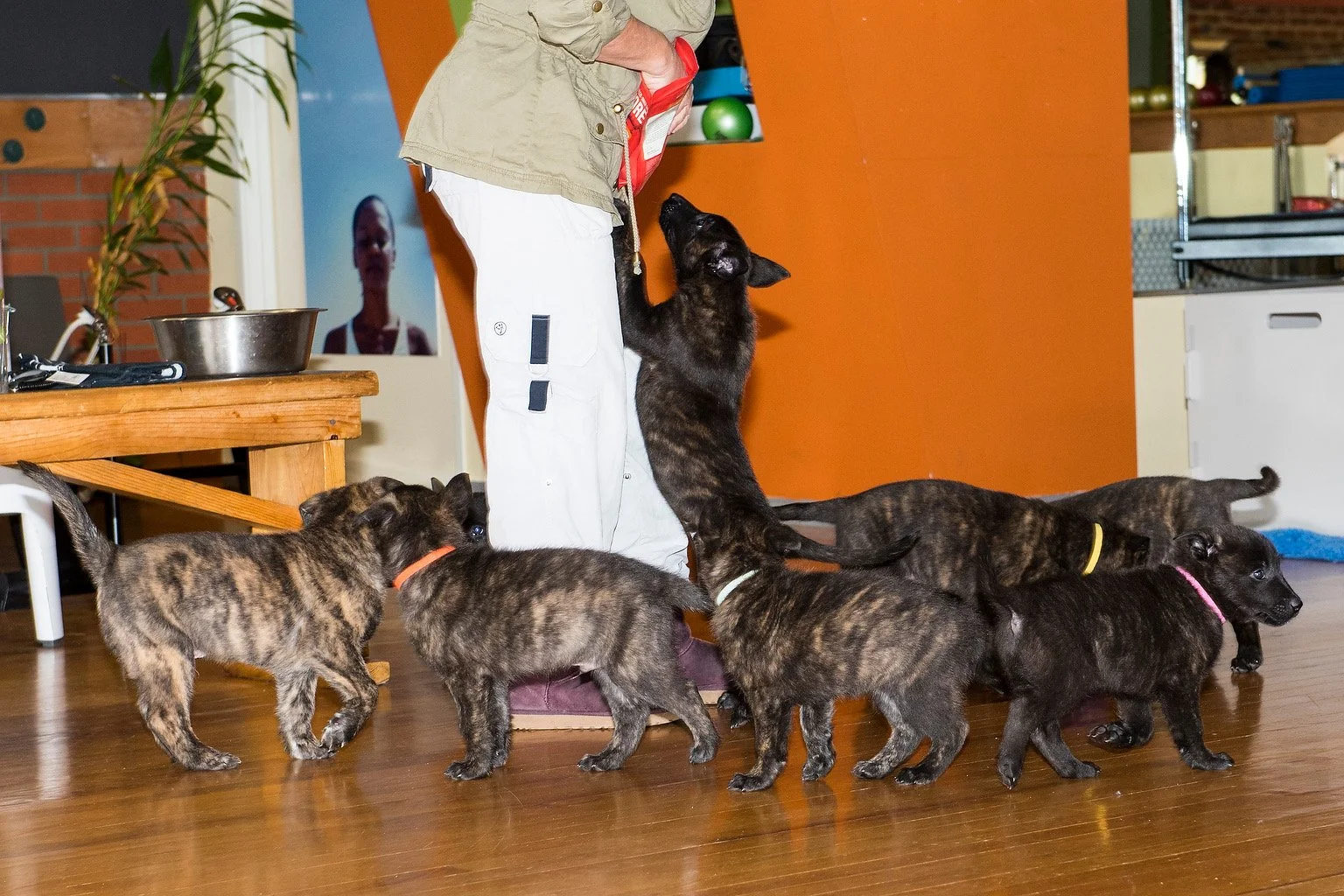
Wildflower Dutch Shepherd Kennel (used with Permission)
Training

Start Early, Stay Consistent
Dutch Shepherds are highly trainable — but trainable does not mean self-managing. Training should begin the day the dog comes home, regardless of age. Puppies benefit from early structure and socialization. Older dogs adapt quickly when the approach is clear and consistent. The breed's intelligence means it picks up new behaviors fast, which is an asset when training is going well and a liability when it isn't — they learn the wrong things just as quickly as the right ones.

What Works
Positive reinforcement is the most effective approach with this breed. Dutch Shepherds are motivated by reward — whether that's food, play, or the satisfaction of working with their handler — and they respond to clarity and consistency. Short, purposeful training sessions of ten to fifteen minutes tend to produce better results than long sessions that lose momentum. Variety keeps engagement high. Repetition without progression loses them quickly.

What Doesn’t Work
Harsh corrections, punishment-based methods, and heavy-handed handling are counterproductive with Dutch Shepherds. This breed is sensitive to handler energy and reads inconsistency immediately. An owner who is unpredictable, unclear, or overly forceful will see that reflected directly in the dog's behavior. Calm, confident, and consistent is the baseline that works.

Building on the Basics
Obedience foundations — sit, down, stay, recall, leash manners — should be established early and maintained throughout the dog's life. From there, the Dutch Shepherd's capabilities are genuinely broad. Many owners move into sport work (IGP, French Ring, agility, nosework), formal obedience competition, herding, or service and therapy work. The breed thrives when training has a direction and a purpose beyond basic compliance.
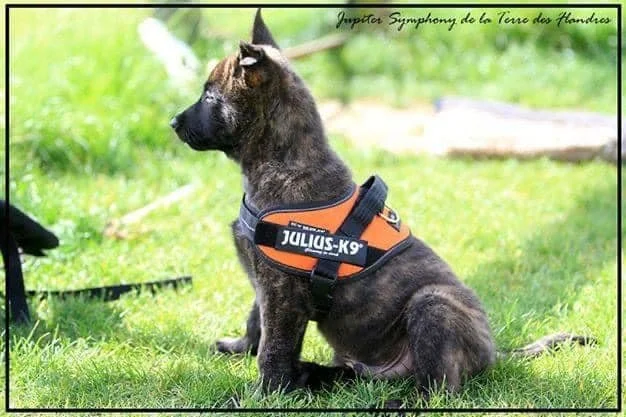
Tintin owner Sylviane Chapoulaud (used with Permission)

Socialization
Thorough socialization from puppyhood is non-negotiable. Exposure to different people, environments, sounds, and situations builds the confident, stable temperament the breed is capable of. A Dutch Shepherd that misses early socialization is significantly harder to manage as an adult. This is not a breed where socialization gaps close easily on their own.
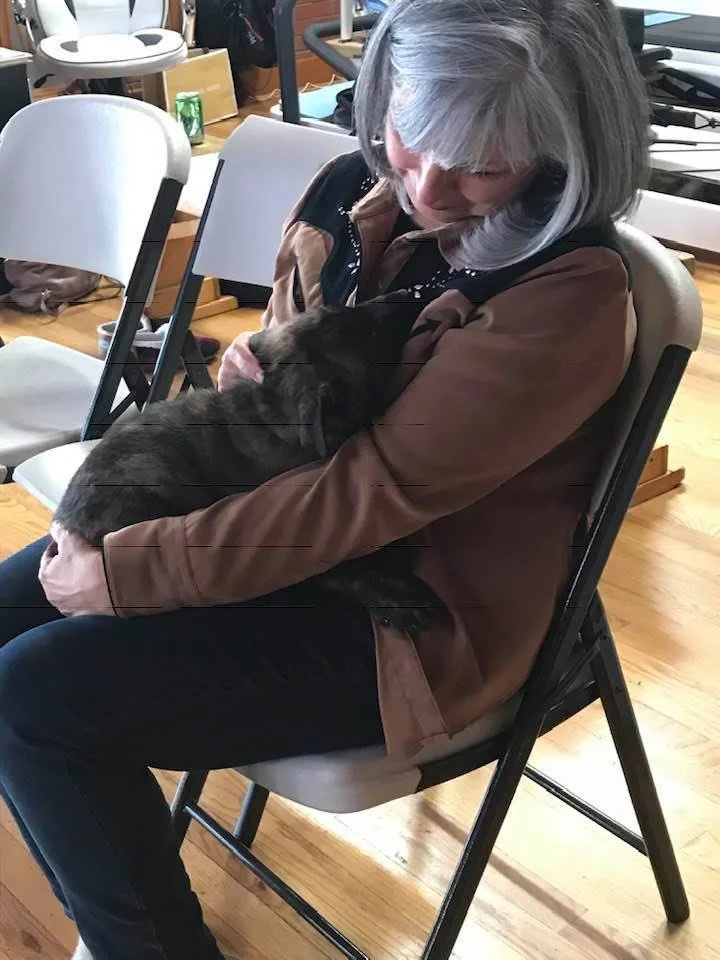
Wildflower DSK puppy (used with Permission
“A Dutch Shepherd that isn’t getting enough mental engagement won’t just be bored — it will let you know. See our Temperament page for a full breakdown of what under-stimulation looks like in this breed.”
Exercise & Daily Routine
How Much Exercise Does a Dutch Shepherd Need?
This is a high-energy breed that requires meaningful daily exercise — not a walk around the block, but sustained physical activity that genuinely tires the dog. A general baseline for an adult Dutch Shepherd is a minimum of 60 to 90 minutes of active exercise per day, split across multiple sessions. That can include running, cycling, off-leash play in a secure area, structured fetch, or sport training sessions.
Puppies have different needs — shorter, more frequent bursts of activity rather than long sustained exercise, which can stress developing joints. Consult your veterinarian or breeder for age-appropriate guidelines for your specific dog.
Mental Exercise Matters as Much as Physical
Physical exercise alone is not enough for this breed. A Dutch Shepherd that has been on a long run but has had no mental engagement is still a Dutch Shepherd with something left to give. Training sessions, puzzle feeders, nosework games, and problem-solving activities all contribute to a dog that is genuinely settled at the end of the day rather than just physically tired.
A Practical Daily Routine
A well-balanced daily routine for an adult Dutch Shepherd might look something like this:
Morning
30 to 45 minutes of active exercise, followed by a short training session of 10 to 15 minutes
Midday
Mental enrichment if the dog is home alone — a Kong, a sniff game, or a puzzle feeder
Evening
30 to 45 minutes of exercise, followed by calm downtime with the family
Rest and recovery matter too. Dutch Shepherds are capable of high output, but they also need the opportunity to switch off. A dog that never fully settles is a dog that isn't getting enough structured rest built into its day.
Lifestyle Fit
Dutch Shepherds are best suited to active households where exercise is a natural part of daily life rather than an obligation to be scheduled around. They adapt well to a wide range of living situations — including urban environments — provided their exercise and engagement needs are consistently met. A large garden is helpful but not a substitute for real activity.
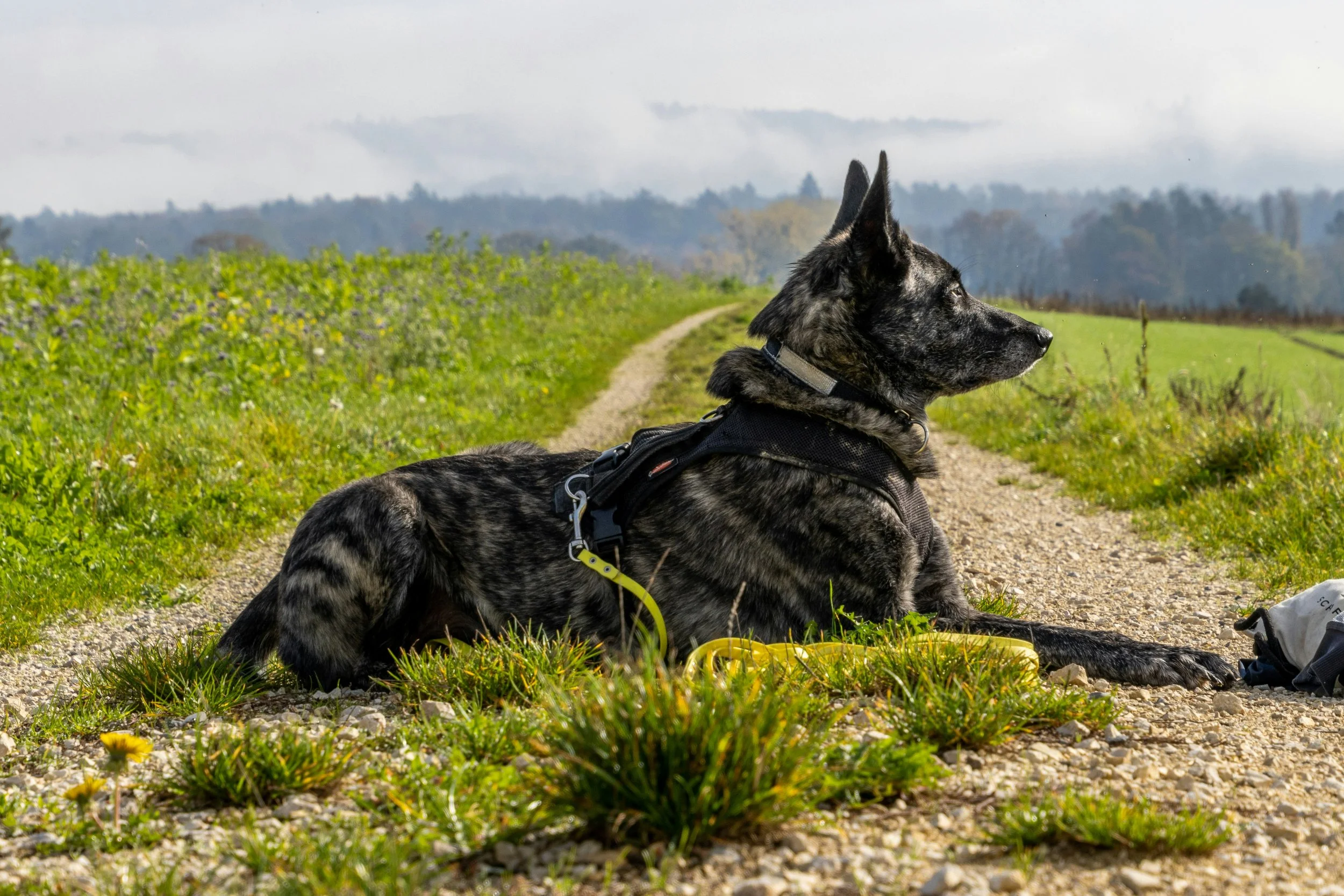
Magnific (licensed use)
Grooming & Coat Care
Grooming requirements vary by coat type. What all three varieties share is a double coat that sheds seasonally and benefits from regular maintenance year-round.
Short Coat
The short coat is the most straightforward to maintain. A thorough brush once or twice a week with a firm bristle brush or rubber grooming mitt keeps loose hair managed and the coat healthy. During spring and autumn shedding seasons, daily brushing will significantly reduce the amount of hair shed around the home. Bathe as needed — typically every four to six weeks, or when the dog is dirty. Over-bathing strips the coat's natural oils.
Long Coat
The long coat requires brushing two to three times per week with a slicker brush and a metal comb, paying particular attention to the areas of heaviest coat — the ruff, breeches, and tail. During shedding seasons the undercoat blows heavily and daily brushing becomes necessary. Check regularly for mats forming close to the skin, particularly behind the ears and in the armpits. Address mats promptly — they tighten quickly and become uncomfortable for the dog.
Rough Coat
The rough coat requires a different approach entirely. To maintain its characteristic harsh texture and weather-resistant properties, it should be hand-stripped rather than clipped. Clipping a rough coat softens the texture permanently over time. Hand-stripping — removing dead outer coat by hand or with a stripping knife — should ideally be done by a groomer experienced with wire-coated breeds, typically two to three times per year. Between strips, regular brushing keeps the undercoat clear. The beard and eyebrows benefit from periodic tidying to maintain the breed's distinctive expression.
Across All Coat Types
Beyond coat care, a complete grooming routine includes:
Nails — trim every three to four weeks, or as needed. Overgrown nails affect gait and comfort.
Ears — check weekly for redness, odor, or debris. Clean gently as needed. Dutch Shepherds with erect ears are generally less prone to ear issues than drop-eared breeds, but regular checks remain important.
Teeth — brush several times a week with a dog-safe toothpaste. Dental health has a direct impact on overall health and is frequently overlooked.
Eyes — check regularly for discharge or irritation, particularly in rough and long-coated dogs where hair can occasionally contact the eye area.
Health & General Care
The Dutch Shepherd is overall a healthy and resilient breed. Its working heritage has favored dogs of sound structure and constitution, and it does not carry the same burden of inherited conditions seen in some more widely bred working breeds.
Common Health Considerations
Areas to be aware of include:
Hip and elbow dysplasia — as with most medium to large breeds, joint health should be monitored. Reputable breeders health-test their breeding dogs for hip and elbow scores. Ask to see clearances when purchasing a puppy.
Allergies — skin and environmental allergies are reported in the breed. Signs include recurring skin irritation, paw licking, or ear infections. A veterinarian can help identify triggers and management strategies.
Eye conditions — periodic eye checks are recommended, particularly as the dog ages.
Routine Veterinary Care
Annual veterinary check-ups, up-to-date vaccinations, parasite prevention, and dental care form the baseline of keeping a Dutch Shepherd in good health. Senior dogs benefit from more frequent check-ups as joint health and other age-related changes are monitored.
Nutrition
Feed a high-quality diet appropriate to the dog's age, size, and activity level. Dutch Shepherds in active working or sport roles have higher caloric needs than companion dogs with a more moderate lifestyle. Avoid overfeeding — this is an athletic breed and maintaining a lean, healthy body condition supports joint health and longevity. Your veterinarian or breeder is the best resource for diet guidance specific to your dog.
The Lifestyle Commitment
Owning a Dutch Shepherd well is not complicated — but it is consistent. The breed asks for daily exercise, regular training, proper grooming, and a genuine relationship. In return it offers loyalty, capability, and a level of engagement with its owner that few breeds match.
The owners who thrive with Dutch Shepherds are those who approach the commitment honestly from the start — not those who hope the dog will adapt to a life that doesn't fit it. Get the foundation right and everything else follows.