Puppy Buyer Guide
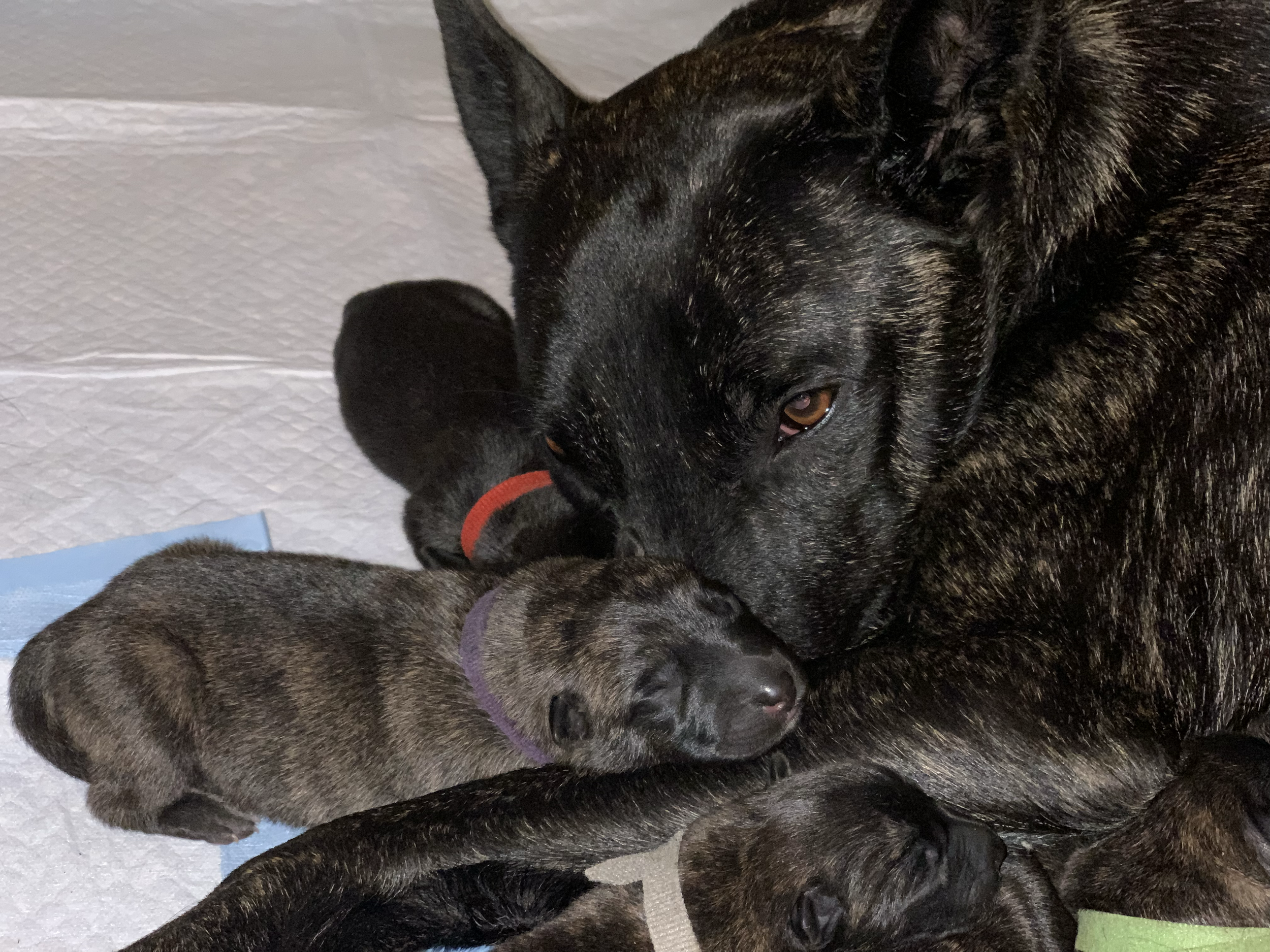
Wildflower Dutch Shepherd Kennel CA (used with permission)
Finding the Right Dutch Shepherd Starts Here
Bringing a Dutch Shepherd into your life is a significant commitment — and finding the right dog starts long before you ever meet a puppy. The Dutch Shepherd community includes a wide range of breeders, bloodlines, and breeding philosophies. Some are exceptional. Some are not. Knowing what to look for, what questions to ask, and what should concern you is the difference between a positive experience and a costly and heartbreaking one.
This guide is written for anyone considering purchasing a Dutch Shepherd — whether you're looking for a family companion, a sport prospect, a working dog, or a show dog. The standards of ethical breeding practice covered here apply across all lines and all purposes.
Understanding the Bloodlines
The Dutch Shepherd comes from several distinct breeding traditions, and understanding the landscape will help you find a breeder whose dogs match what you're looking for.

FCI Registered Lines
FCI registered Dutch Shepherds are bred to the international breed standard, with pedigrees recognized by the Fédération Cynologique Internationale and its member organizations. These dogs are documented, health tested under organized programs, and evaluated against a consistent conformation and temperament standard. FCI lines are the primary choice for show, sport within FCI-affiliated organizations, and buyers who want a fully documented pedigree.

KNPV and Working Lines
The KNPV — the Royal Dutch Police Dog Association — has its own breeding tradition focused entirely on working ability and performance. KNPV-line dogs are selected for drive, trainability, and suitability for police and service work. Many do not carry FCI pedigrees, and some carry mixed heritage that is not fully documented. These dogs tend to be higher drive and more intensely working-oriented than the typical FCI-registered dog. They are sought after by serious working dog professionals, sport competitors, and experienced handlers. They are generally not the right choice for first-time Dutch Shepherd owners.
What This Means for Buyers
Neither line is inherently better than the other — they serve different purposes and different owners. What matters is that the breeder you work with is honest about what their dogs are, what they are bred for, and whether that is a genuine match for your situation and experience level.
Ethical Breeding Standards
A responsible breeder — regardless of which line or purpose they breed for — will consistently demonstrate the following:

Health Testing
Responsible breeders health test their breeding dogs and make those results available to buyers. For the Dutch Shepherd, the most relevant health clearances include hip and elbow evaluations. Ask to see documented results for both parents — not just a verbal assurance that the dogs are healthy. A breeder who cannot or will not provide health clearances is a breeder worth walking away from.
Temperament of Breeding Dogs
The temperament of the parents is one of the strongest indicators of what a puppy will become. Both sire and dam should be stable, confident, and appropriate for their intended purpose. A breeding dog that is excessively reactive, fearful, sharp without cause, or difficult to manage around people is passing those tendencies on. Ask to meet or observe both parents where possible, and pay attention to how they behave — not just what you are told about them.
Socialization Before Placement
Puppies should be raised in an environment that exposes them to a wide range of people, sounds, surfaces, and experiences from the earliest weeks of life. Early neurological stimulation and deliberate socialization lay the foundation for the confident, stable temperament the breed is known for. Ask breeders specifically what their socialization program involves and what puppies are exposed to before they leave for their new homes.
Transparency and Communication
A good breeder is genuinely interested in where their puppies go and will ask you as many questions as you ask them. They will be open about the strengths and limitations of their dogs, honest about which puppy in a litter suits your situation, and willing to discuss health history, temperament, and any concerns candidly. Breeders who are evasive, dismissive of questions, or primarily focused on completing a sale are worth approaching with caution.
Contracts and Health Guarantees
Reputable breeders provide a written contract that outlines the terms of the sale, any health guarantees offered, and — critically — a return policy. A breeder who will take a dog back at any point in its life if the owner cannot keep it is a breeder who stands behind their dogs. This is one of the most meaningful signs of a responsible breeding program.
Kennel Visit
Where possible, visit the breeder in person before committing to a puppy. Seeing where the dogs live, how they are kept, and how they interact with the breeder and visitors tells you more than any conversation or photograph can. Puppies should be clean, well-fed, curious, and comfortable with human contact. The environment should be clean and appropriately stimulating. A breeder who discourages or refuses an in-person visit without a compelling reason is a significant red flag.
What to Look for in a Puppy
Choosing a puppy from a good litter is still a decision that deserves careful thought. Here is what to pay attention to:
Temperament Over Appearance
Especially for first-time Dutch Shepherd owners, temperament should be the primary selection criteria. A puppy that is curious, engaged, and recovers quickly from mild surprises is showing the foundations of the stable, confident character the breed is known for. A puppy that is extremely shy, extremely sharp, or difficult to settle warrants a careful conversation with the breeder about whether it is the right match.
Match to Purpose
Be honest with yourself about what you are looking for and communicate that clearly to the breeder. A high-drive puppy from working lines that is perfectly suited for an experienced sport handler may be genuinely overwhelming in a household without that structure and experience. A reputable breeder will guide you toward the puppy that fits your situation — not the one that is easiest to sell.
Physical Health at the Time of Pickup
At the time of collection a healthy puppy should have clear eyes, clean ears, a clean coat, a firm but not distended belly, and move freely without obvious discomfort. It should come with documentation of its first vaccinations, a veterinary health check, and a record of any deworming treatments received.
Red Flags
The following should give any buyer pause, regardless of how appealing a dog or a price point might be:
Puppies available immediately with no waitlist and no questions asked
Breeder unwilling or unable to provide health clearances for both parents
No opportunity to meet at least one parent
Puppies offered for sale significantly below market value with no clear explanation
Breeder discourages or refuses an in-person visit
No written contract or health guarantee offered
Pressure to make a quick decision or deposit without adequate time to consider
Breeder cannot answer basic questions about the puppy's socialization, diet, or veterinary history
Puppies raised in isolation, in poor conditions, or showing signs of fear or poor health
Breeder who misrepresents the breed's temperament or suitability for inexperienced owners
Supplies Checklist
Before your Dutch Shepherd puppy comes home, have the following in place:
Containment & Safety
Crate — appropriately sized, with room to stand, turn, and lie down
Exercise pen for supervised play area
Baby gates for managing access around the home
Secure, escape-proof fencing in any outdoor area
Enrichment & Play
Chew toys appropriate for puppies
Tug toy — Dutch Shepherds typically have strong toy and tug drive
Puzzle feeders or Kongs for mental enrichment
Variety of textures and shapes to support early development
Feeding
Food and water bowls — stainless steel or ceramic recommended
Puppy food — confirm with your breeder what the puppy has been eating and transition gradually
Measuring cup for consistent portion control
Grooming
Brush appropriate to coat type (see Coat Types page)
Metal comb
Nail clippers or grinder
Dog-safe toothbrush and toothpaste
Ear cleaning solution
Training
Flat collar and ID tag
Four to six foot leash for daily walks and training
Long line (15–30 feet) for recall training and safe off-leash time
Harness if preferred for walks
High-value training treats
Treat pouch
Health & Admin
Veterinarian identified and first appointment booked before pickup
Copies of vaccination and health records from breeder
Pet insurance — research and enroll before or immediately after pickup
A Final Word
The Dutch Shepherd community, at its best, is made up of people who care deeply about this breed — its health, its working character, and its future. The best breeders are not just selling puppies. They are stewards of a rare and remarkable dog, and they take that responsibility seriously.
Finding the right breeder may take time. There may be a waitlist. There will be questions asked of you as well as answered. That process is not an obstacle — it is the sign of a breeding program worth trusting.
The right dog from the right source is worth every bit of patience it takes to find.