About the Breed
Overview
History
Competition
Coat Types
Temperament
Training & Care
Puppy Buyer Guide
On this Page
What Makes the Dutch Shepherd Unique
The Dutch Shepherd is one of those rare breeds that genuinely does it all.
Medium-sized, athletic, and sharp as a tack, they were built by Dutch farmers who needed a dog that could herd, guard, haul, and adapt — all before breakfast. That all-purpose working heritage never left the breed, and it's exactly what makes them so compelling today.
Whether you're looking at them in a herding trial, a protection sport ring, a search and rescue operation, or curled up at the foot of a family couch, the Dutch Shepherd shows up fully. They are defined not by one role but by an extraordinary capacity to fill any role asked of them.
What sets the Dutch Shepherd apart from other working breeds isn't just intelligence or drive — it's the combination of those qualities with a stable, loyal temperament that makes them genuinely lovable. They form deep bonds with their people, thrive when given meaningful work or structure, and bring a level of dedication that owners consistently describe as unlike anything they've experienced in another dog.
Recognized by their signature brindle coat and balanced, athletic build, Dutch Shepherds are a breed that rewards the right owner enormously. They aren't a dog for everyone — but for the right person or family, they're unmatched.
| Trait | Detail |
|---|---|
| Size | Medium |
| Height | 21.5–24.5 inches (55–62 cm) |
| Weight | 42–75 lbs (19–34 kg) |
| Coat Types | Short, Long, Rough |
| Color | Brindle (gold or silver) |
| Energy Level | High |
| Trainability | Very High |
| Temperament | Alert, loyal, stable, intelligent |
| Lifespan | 11–14 years |
| Best Suited For | Active owners, working homes, dog sports, experienced handlers |
| Primary Roles | Herding, protection, sport, service, search & rescue |
Key Traits Snapshot
A quick-reference guide to the breed at a glance.
“Size and weight ranges are based on accepted breed standard references and may vary by individual dog and bloodline. Always consult your breeder or veterinarian for guidance specific to your dog.”
Coat Types — Quick Summary
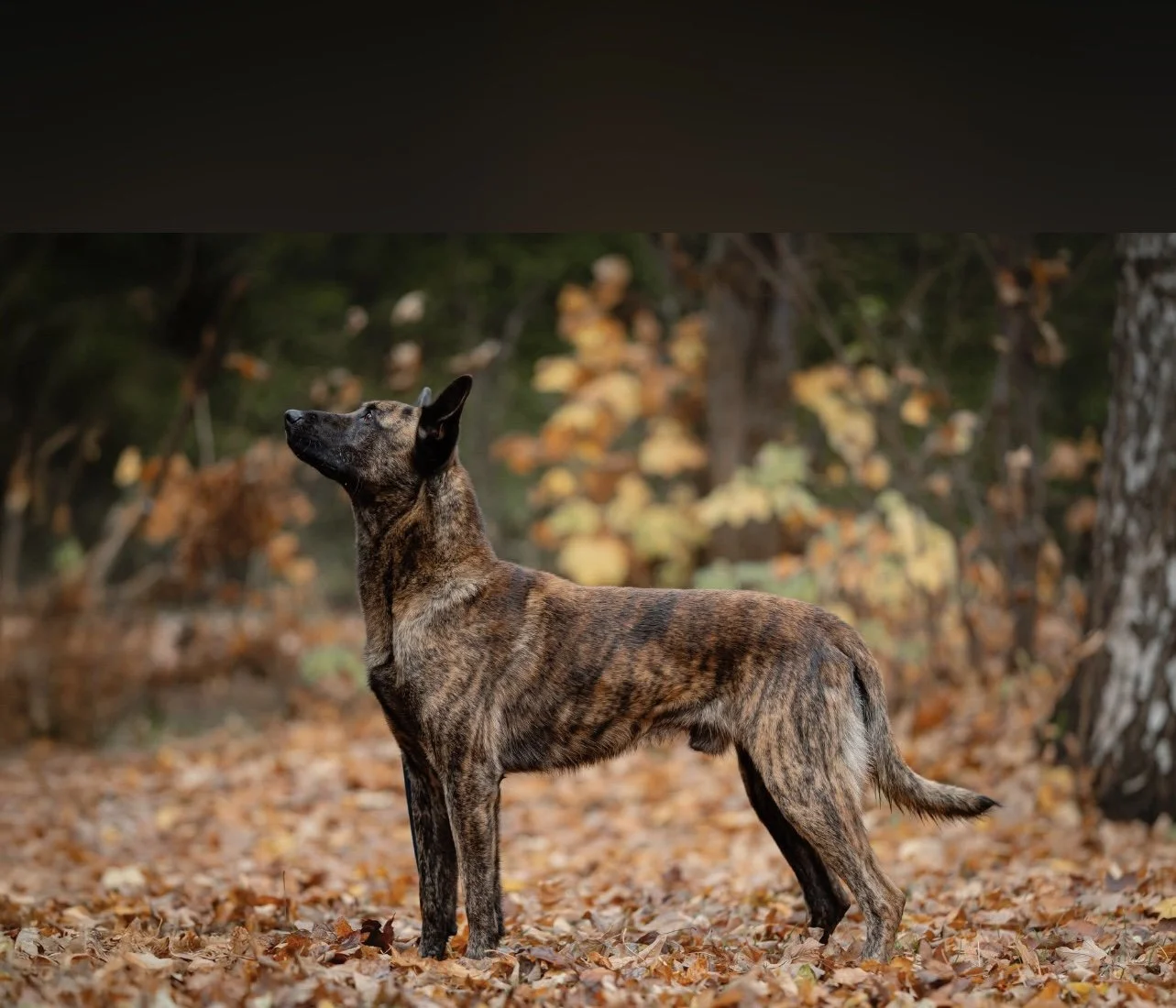
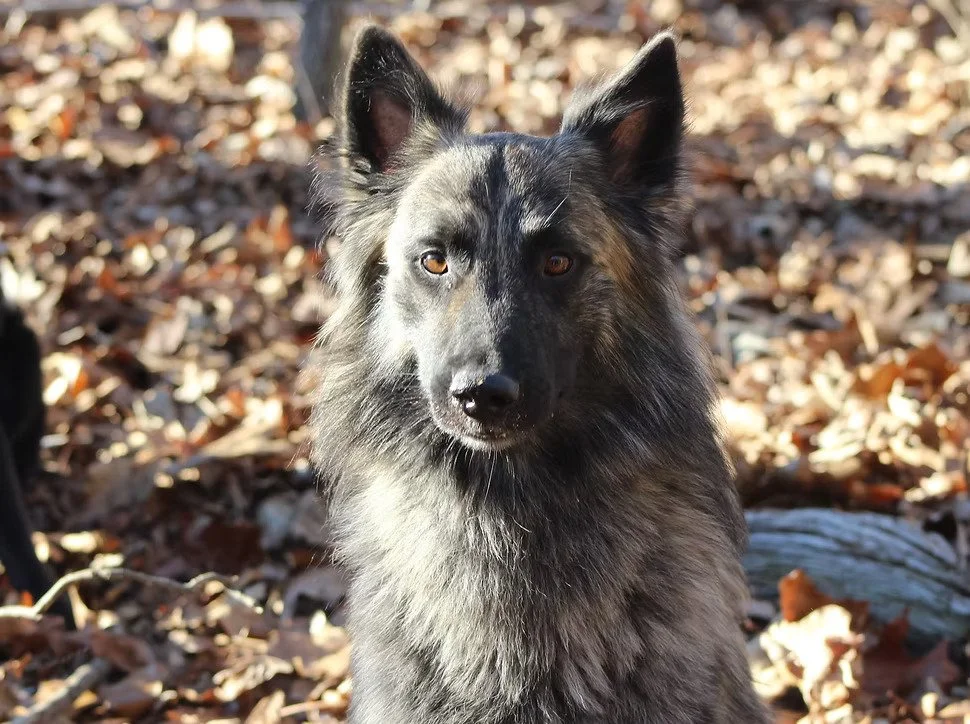
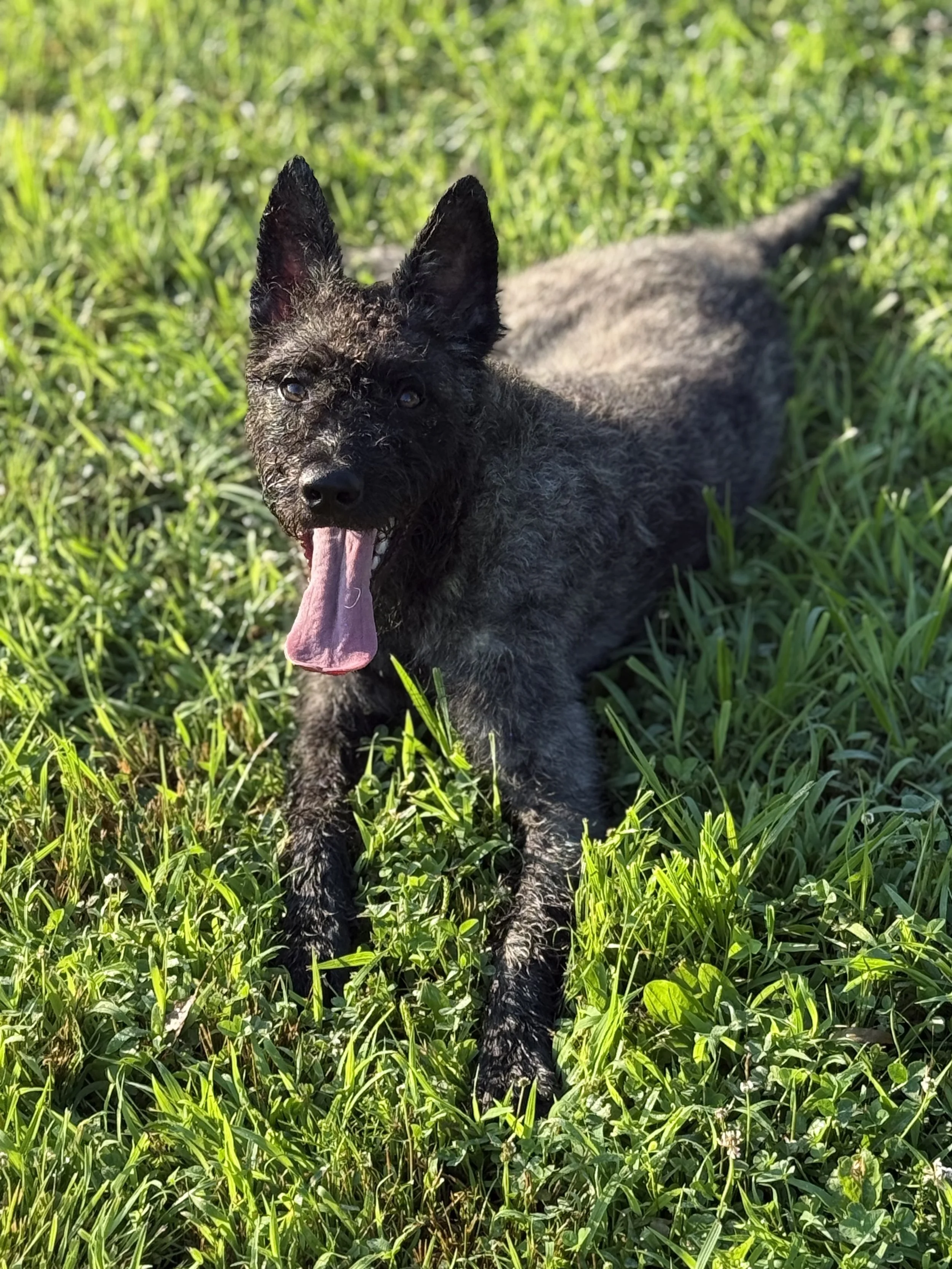
The Dutch Shepherd comes in three coat varieties, all sharing the breed's hallmark brindle pattern and all built for the demands of working life. Each coat has its own look, texture, and care requirements.
Erotas /kennel Skrajojantis Olandas (used with Permission)
Short Coat
The most common variety. The short coat sits close to the body with a dense, woolly undercoat underneath. It's weather-resistant, low-maintenance relative to the other types, and gives the dog a sleek, athletic appearance. A good choice for owners who want minimal grooming demands without sacrificing the breed's classic look.
Taka owner Chelsea McKamey (used with Permission)
Long Coat
The long coat is straight and harsh in texture, with feathering along the legs, tail, and chest. It has an elegant, flowing appearance while still being practical and weather-resistant. This variety requires more regular brushing to prevent matting, particularly during shedding seasons.
William Lake BTLK9 (used with Permission)
Rough Coat
The rough coat is the most distinctive of the three — dense, tousled, and almost wiry in texture, with a rugged, weathered look that reflects its working origins. It requires specific grooming techniques, including hand-stripping, to maintain properly. The rough coat variety is less common and particularly prized in show and breed enthusiast circles.