Preserving the Rough Hair Dutch Shepherd:
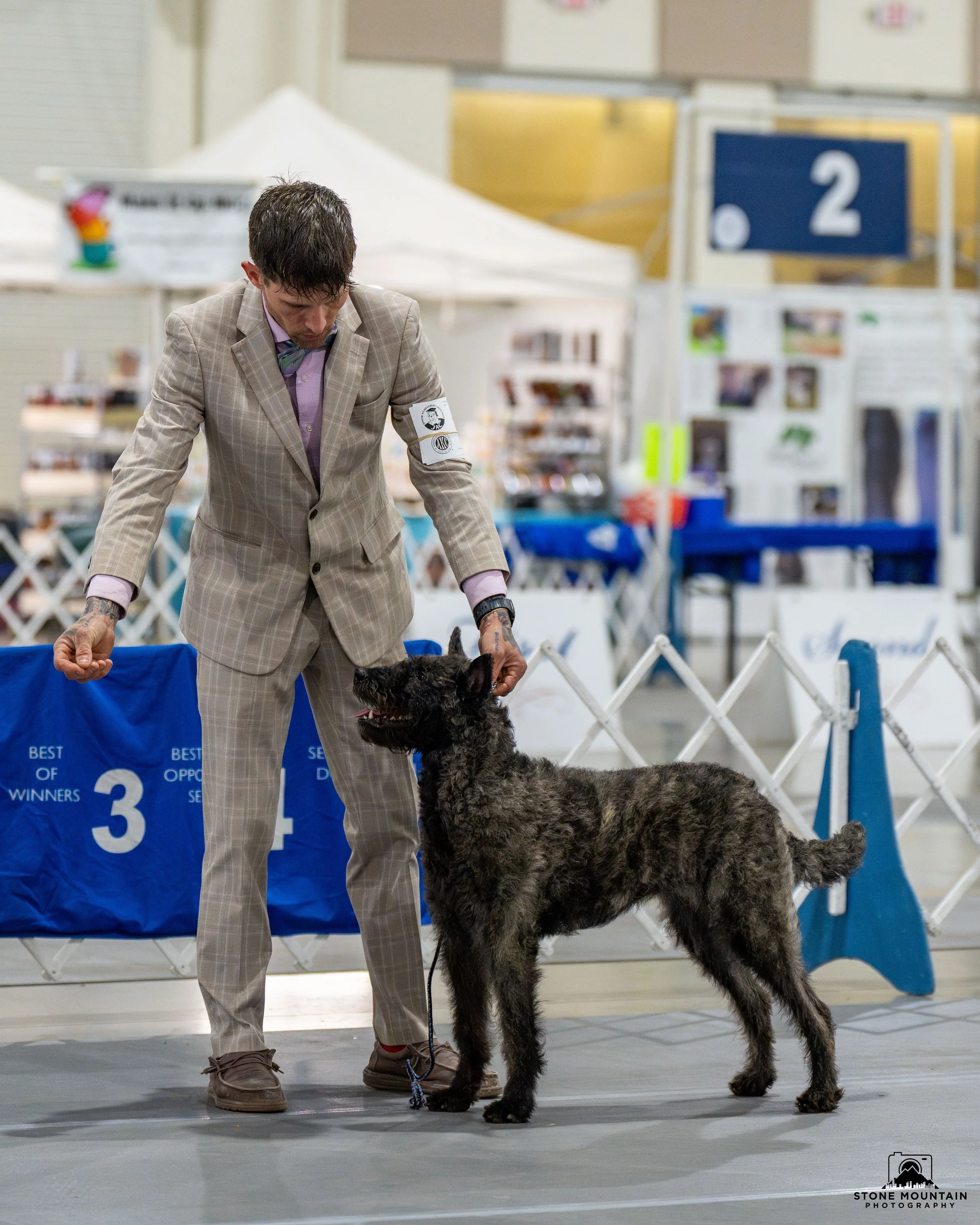
VANDALIA’S LIEKE NU EN VOOR ALTIJD (Used with Permission)
Why It Matters
By William Lake, BTLK9
If you live with Rough Hair Dutch Shepherds, you learn quickly that they are not dogs built to impress. They are thoughtful, observant, and quietly confident. They don’t require constant input to stay balanced, and they don’t come undone when life shifts around them. That steadiness is exactly why preserving them matters.
Yes, the Rough Hair Dutch Shepherd is rare—but rarity alone is not the reason to care. What matters is the type of dog you get when this variety is bred correctly: clear-headed, environmentally stable, capable of real work, and able to live comfortably in the real world.
Shawn and I didn’t begin with a preservation mindset. We simply wanted good Dutch Shepherds and without likeminded breeder and Rough Hair enthusiasts like Betsy Plumer of Vandalia Dutch Shepherd none of what we have done would be possible. Over time, living with dogs like Ava, Ranger, Lieke, Mata, and Newt made something very clear—this variety could easily be lost if people stop being intentional
Living With Them Shows You the Truth
Preservation stops being theoretical when the dogs are part of your daily life. We move between a farm in the county and a home in the city, and our Rough Hair Dutch Shepherds transition between those environments without stress. Open land, confined spaces, noise, quiet, changing routines—it doesn’t unsettle them.
That kind of adaptability tells you more than any title or pedigree ever could. It reflects nerve strength, resilience, and sound temperament. Those are the traits that must be protected above all else.
Saying No Is Part of Preservation
One of the hardest parts of working with a rare variety is knowing when not to breed. When numbers are small, it’s easy to justify breeding based on coat alone. We’ve seen where that leads, and it does not serve the breed.
For us, coat has never been enough. If a dog is not mentally sound, physically capable, and true to the Dutch Shepherd, it has no place in a breeding program. Preservation is not about increasing numbers—it’s about protecting quality. That often means making fewer choices and having the patience to wait.
Character Matters Too
Rough Hair Dutch Shepherds are not only stable and capable—they are also expressive, playful, and full of personality. They bring a sense of humor and presence that makes living with them genuinely enjoyable.
A good Rough Hair should be able to work with seriousness and then seamlessly settle into life with people. That balance is part of what makes them special—and part of what must not be lost.
Looking Ahead
Preserving the Rough Hair Dutch Shepherd requires patience, honesty, and cooperation. There are no shortcuts. But there is a reward: watching a rare variety remain true to itself.
Shawn and I take that responsibility seriously—not because the Rough Hair Dutch Shepherd is rare, but because when it is bred and raised correctly, it is exceptional.
Quiet work often goes unnoticed. But it is the work that lasts.